Advice and guides

Fire safety advice and guides for Bexley buildings

Find out how fire risk management works in Bexley. Read plain answers to common questions about assessments, fire doors, compartmentation and what landlords need to do to keep a home safe.
Read the guides

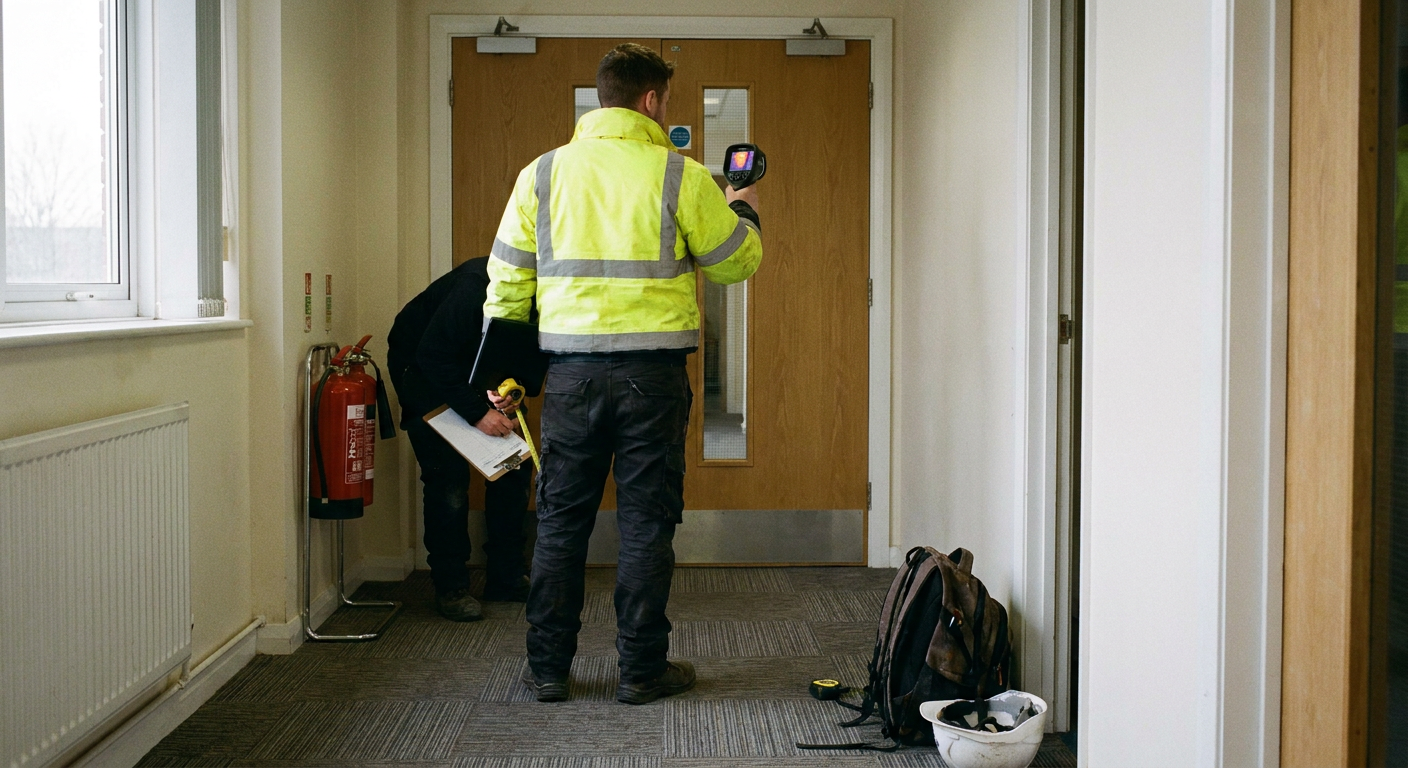
Worker using a thermal imaging device near a fire door in a corridor.

Understanding fire safety advice and guides in Bexley
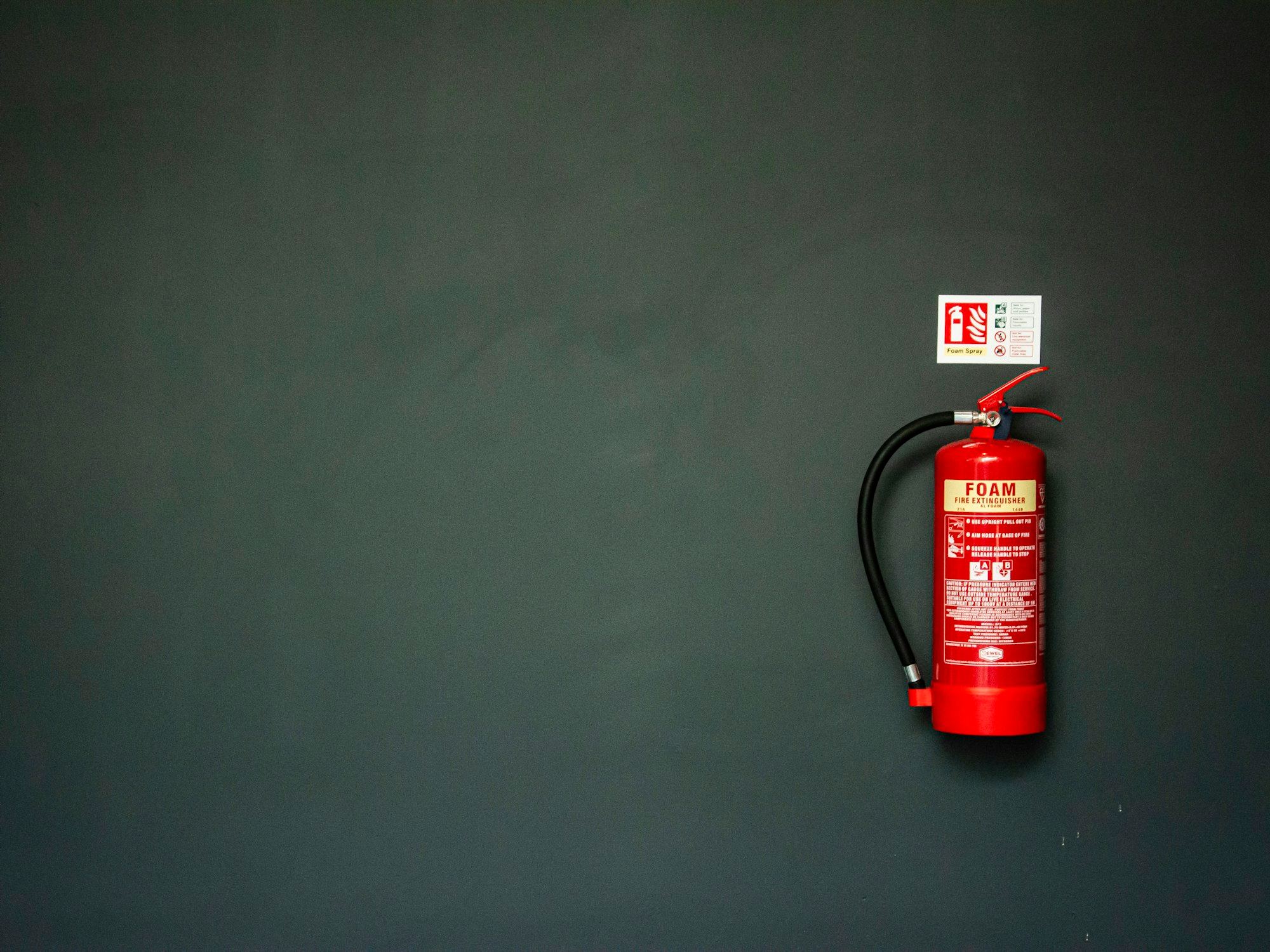
A red fire extinguisher mounted on a dark grey wall with instruction sign.

Why fire risk management matters locally

A building in Bexley faces the same risks as anywhere else, but local housing stock brings its own patterns. Converted Victorian terraces near Bexleyheath, purpose-built blocks in Welling and newer developments all have different layouts that affect how fire spreads.

The law requires someone to take responsibility for fire precautions in shared parts of any building with more than one household. That person might be a freeholder, a managing agent or a landlord letting out rooms. Understanding who holds that duty is the first step toward getting [fire compliance advice in south east London](/compliance/who-is-the-responsible-person).

A specialist firm carries out the assessment. They walk through the communal areas, check escape routes, look at how fire is contained between flats and note anything that needs attention. The result is a written record of what they found and what should happen next. For anyone searching for [fire safety help in Bexley](/services-bexley), knowing what that process involves makes it easier to decide what to ask for.

What a fire risk assessment covers

An assessment looks at the building rather than individual homes. The specialist checks corridors, stairwells, lobbies, bin stores and plant rooms. They examine whether fire doors close properly, if emergency lighting works and whether escape routes stay clear.

In a block of flats, the type of assessment depends on the building. A Type 1 assessment covers only communal areas and is non-destructive. Types 2, 3 and 4 go further, sometimes entering individual flats or opening up construction to check hidden barriers. Read more about [fire risk assessment types 1 to 4 in blocks of flats](/news/fire-risk-assessment-types-1-to-4-in-blocks-of-flats) to see which applies.

Landlords letting a house as multiple occupation face additional rules. An [HMO fire risk assessment in Bexley](/hmo-fire-risk-assessment) must account for higher occupancy, shared kitchens and the need for interlinked alarms. The [HMO licence fire safety requirements](/compliance/hmo-licence-fire-safety-requirements) set by the council add another layer of conditions that the responsible person must meet. Anyone looking for a [fire risk assessor near Bexleyheath](/) will find that specialists working across the borough understand these local expectations.

Fire doors and keeping fire contained

Compartmentation stops fire and smoke moving from one part of a building to another. Walls, floors and ceilings form those compartments, but doors are the weakest point because people open them every day.

A [fire door inspection in Bexley](/fire-door-inspection) checks whether each door has the right rating, whether intumescent strips and cold smoke seals are intact, and whether self-closing devices work. Under the [Fire Safety (England) Regulations 2022](/compliance/fire-safety-england-regulations-2022), buildings over 11 metres require quarterly checks on flat entrance doors. Guidance on [quarterly fire door checks in flats](/compliance/fire-door-checks-quarterly) explains what to record.

When the structure itself needs examining, a [compartmentation survey in Bexley](/compartmentation-survey) looks above false ceilings, inside risers and behind panels where gaps may have appeared after years of maintenance work. A [local fire assessment company](/areas-bexley) arranges for separate specialist firms to handle these inspections. Each firm focuses on its own trade, so the person checking the doors is not necessarily the one mapping the wall cavities.

Planning how people get out safely

Knowing the exits exist is different from having a plan that everyone understands. A [fire strategy report in Bexley](/fire-strategy) sets out the overall approach: whether residents should leave immediately or stay put while the fire service deals with a blaze elsewhere in the building. The choice between those policies affects everything from alarm design to door specifications. More detail on the [stay put or evacuate fire policy in blocks of flats](/news/stay-put-or-evacuate-fire-policy-in-blocks-of-flats) clarifies when each applies.

A [fire evacuation plan in Bexley](/fire-evacuation-plans) translates that strategy into specific routes, assembly points and responsibilities. Some residents need extra help. A guide to [personal emergency evacuation plans](/news/personal-emergency-evacuation-plans-who-needs-a-peep) explains who qualifies and what adjustments might involve.

Staff and wardens need training to act on these plans. [Fire safety training in Bexley](/fire-safety-awareness-training) covers basic awareness, while [fire warden training in Bexley](/fire-warden-training) prepares named individuals to sweep floors and direct people during an alarm.

Paperwork, policies and ongoing duties

Fire risk management produces documents. The responsible person needs a record of the assessment, a log of checks and written procedures that residents or staff can follow. [Fire safety policy documents and procedures](/fire-safety-policy-and-procedures) formalise what happens day to day, from keeping corridors clear to testing alarms monthly.

A [health and safety report](/health-and-safety-reports) may sit alongside the fire assessment if the building serves as a workplace. Equipment also needs regular attention. [Fire extinguisher testing advice](/fire-safety-equipment-testing-advice) covers what to check and how often, including alarms and emergency lighting.

Maintaining records matters. A [fire safety log book for your building](/news/fire-safety-log-book-for-your-building-what-to-record) tracks inspections, faults and repairs in one place. If the council writes about concerns, understanding [what to do with a council fire safety letter](/compliance/council-fire-safety-letter-what-to-do) prevents delays. Assessments expire too. Knowing [when a fire risk assessment needs reviewing](/compliance/how-often-fire-risk-assessment-reviewed) keeps the paperwork current. For [landlord fire safety guidance](/compliance), these administrative tasks matter as much as the physical checks.

How an enquiry becomes an assessment

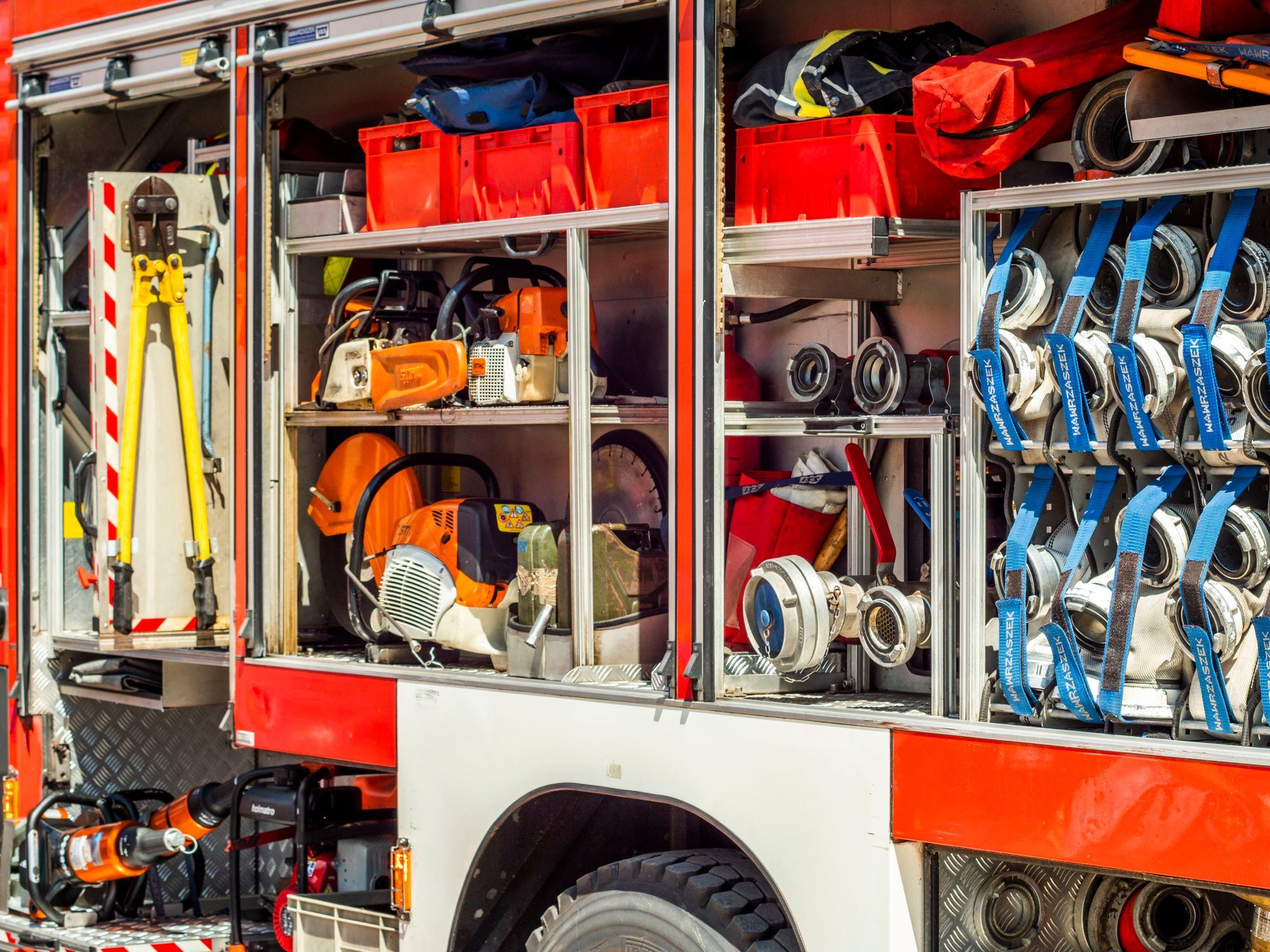
Close-up of a firetruck compartment with hoses and tools.
  1. 1

    Send the details

    Provide the address, building type and reason for the enquiry through the contact page.

  2. 2

    Receive a response

    A specialist contacts you after your enquiry to discuss what the building needs.

  3. 3

    Specialist visits the site

    The appropriate specialist firm attends to carry out the inspection or survey.

  4. 4

    Get the written report

    After the visit, the specialist writes a report detailing what they found and what needs fixing. You receive this document to act on.

Fire safety questions answered for Bexley

Two-flat conversion requirements
Yes. Any converted building with shared parts requires an assessment. Even two flats sharing a hallway or staircase fall under the law.
Combining doors and compartmentation
Separate specialist firms handle each discipline. Enquiries for both can be made together, but the inspections may happen on different days.
Coverage across the borough
Enquiries are accepted from all parts of Bexley, including Crayford, Welling, Sidcup, Erith and Bexleyheath.
What you receive at the end
A written report detailing findings. Where requested, a separate fire strategy or evacuation plan is also produced.
Who does remedial work
The specialist firm identifies what needs fixing. Separate contractors carry out any repairs or installations required.
What to send before speaking
The address, number of storeys, flat count, building age and any previous reports help produce an accurate quote.

Ask about fire risk management in Bexley

Send an enquiry with the building details. A specialist reviews what is needed and contacts you to discuss it. There is no obligation to proceed beyond that conversation.

  • No obligation to proceed
  • A specialist reviews your enquiry and calls
  • Covers all of Bexley

These details are passed to a specialist, as the privacy page describes.

Sending this costs you nothing. The privacy notice goes into what happens to your details. They reach one independent fire safety specialist covering Bexley, and that specialist may pay us when the enquiry is passed on. Comparing quotations with other firms remains entirely up to you.

Prefer email? Write to hello@bexleyfire.co.uk