Compliance guide

Fire Safety (England) Regulations 2022 for flats

Find out what the 2022 rules require of anyone managing a block of flats in Bexley, from quarterly fire door checks to wayfinding signs and resident information.
Read the full guidance

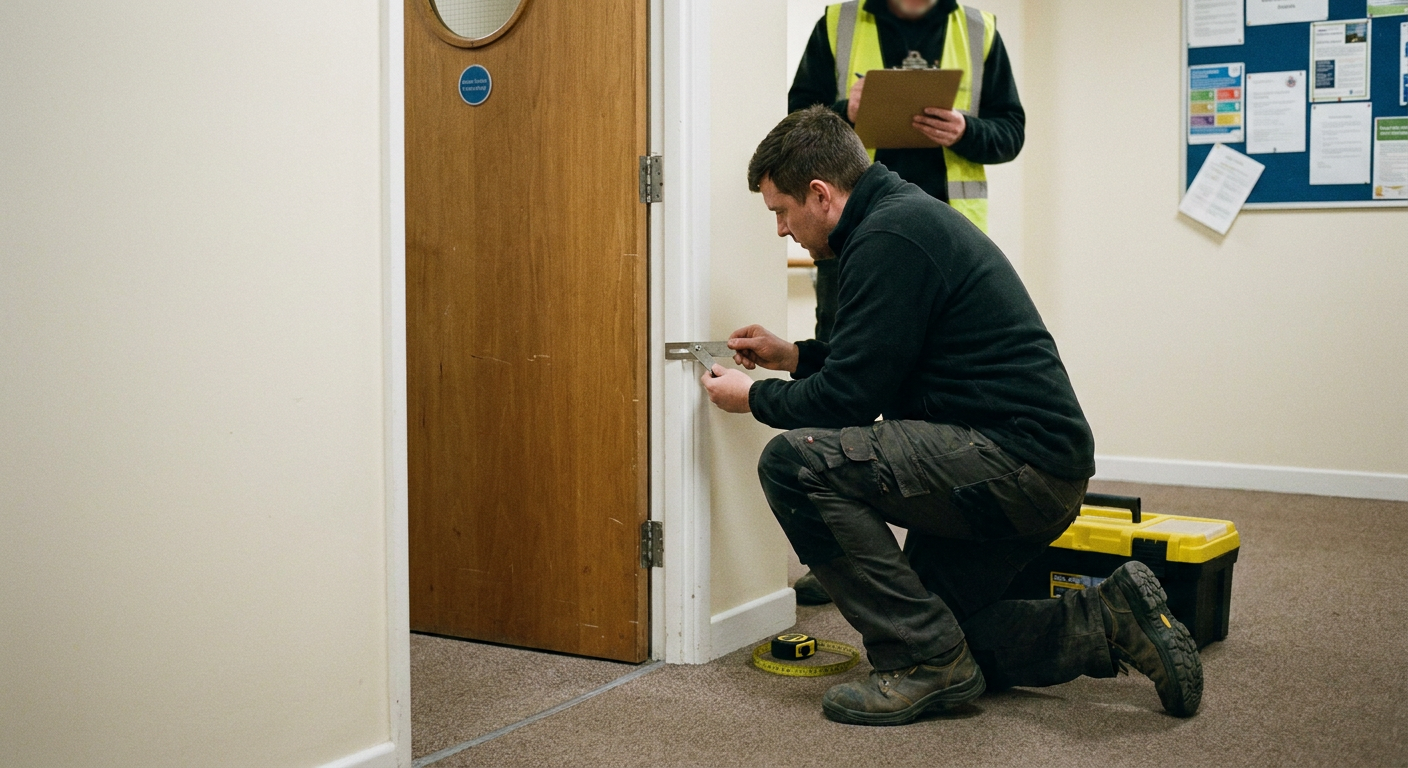
Two workers inspecting a fire door frame with a measuring tool and clipboard.
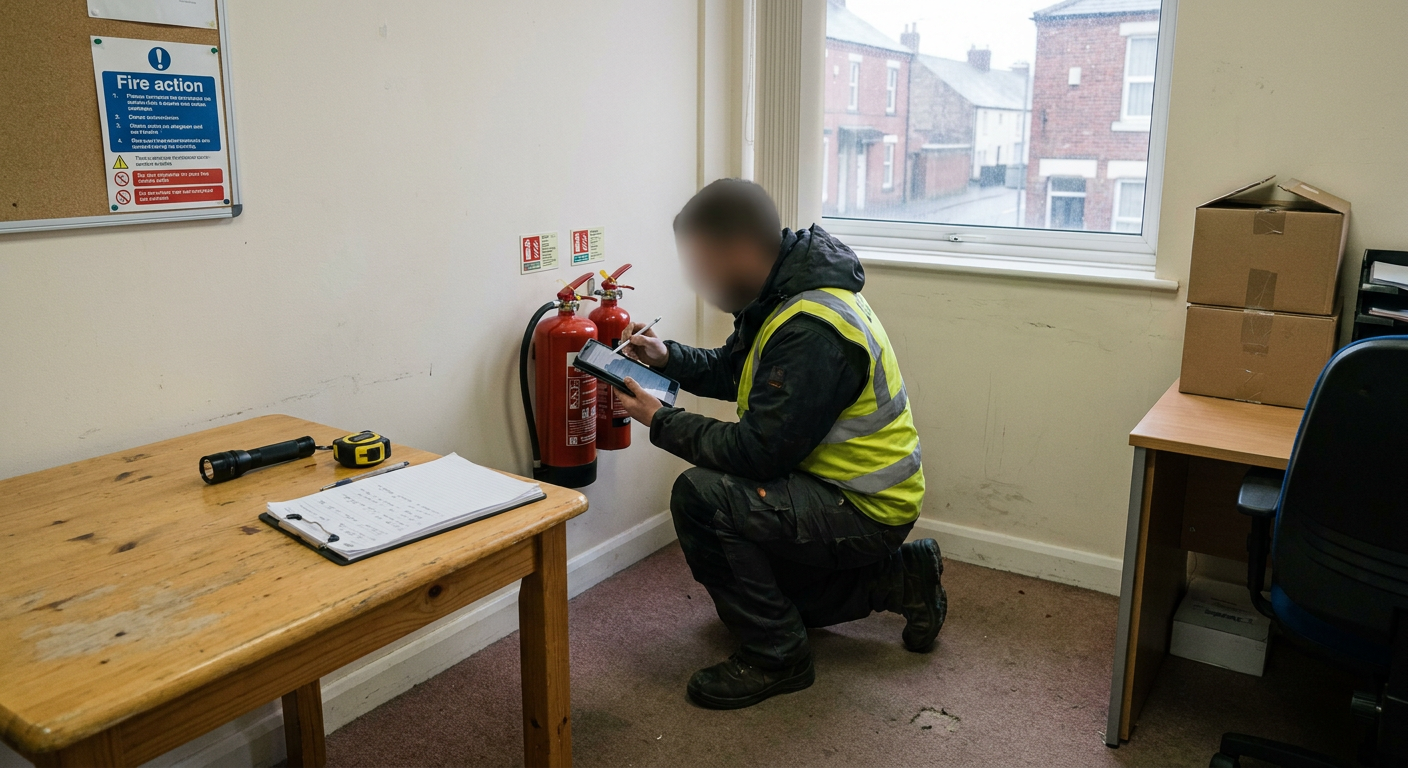
Fire safety officer kneels beside two extinguishers in a small office, taking notes.

Who the 2022 regulations apply to in Bexley

The fire safety england regulations 2022 placed new duties on anyone who controls the common parts of a building containing two or more dwellings. That means the rules apply whether you manage a large tower in Bexleyheath or a small converted house with four flats in Erith. The law does not exempt smaller blocks.

These requirements sit alongside existing fire safety regulations for blocks of flats, which already demand a suitable risk assessment and general precautions. What changed in January 2023 was the addition of specific, recurring tasks that the responsible person must complete and record. If you are unsure whether these duties fall to you as a freeholder, managing agent or landlord, read about who the [responsible person](/compliance/who-is-the-responsible-person) is under fire safety law.

For buildings over 18 metres or seven storeys, further obligations exist around external wall systems and monthly checks of firefighting equipment. But the core duties described here apply to every multi-occupied residential building in the borough.

Quarterly fire door checks and annual entrance doors

Every communal fire door in the building must be checked at least once every three months. A competent person carries out this inspection by looking at the door leaf, frame, hinges, seals and self-closing device to confirm they work as intended. They do not need to be a registered installer, but they must know what a compliant fire door looks like and how it should operate. Find out exactly what to record during [quarterly fire door checks](/compliance/fire-door-checks-quarterly) in flats.

Separate from those communal inspections, the flat entrance door inspection rules require the responsible person to use best endeavours to check each front door annually. These doors separate individual homes from shared escape routes, so their condition matters. Where residents will not grant access, the law expects evidence of repeated attempts: dated letters, emails or notes of visits. Keep every piece of correspondence. A specialist firm can perform both the [fire door inspections](/fire-door-inspection) and the record keeping if you prefer not to handle them yourself.

Resident information and wayfinding signage

You must provide every household with clear instructions on what to do if a fire breaks out. This includes how to evacuate, how to raise the alarm and why keeping communal corridors free of belongings matters. Hand this information out when someone moves in and repeat it at least once a year. It forms part of your wider duty to keep people informed, much like preparing a [fire evacuation plan](/fire-evacuation-plans) that sets out escape routes and roles.

Wayfinding signage requirements for flats mean installing floor and flat number indicators in all stairwells and lobbies. These signs help firefighters orient themselves in smoke-filled conditions. They are required in every building covered by the regulations, including a two-storey conversion. The signs must be visible in low light. If your building lacks them, a specialist firm can advise on placement and specification as part of a broader [compartmentation survey](/compartmentation-survey) or [fire strategy report](/fire-strategy).

Keeping records and catching up on missed checks

Every check, attempt to gain access and piece of information given to residents needs recording. Store these details in a format you can produce if the local fire authority asks. A physical log book or a digital file both work, provided entries are dated and signed. Read what a [fire safety log book](/news/fire-safety-log-book-for-your-building-what-to-record) should contain for your building.

If quarterly checks have been missed, start doing them now. There is no formal amnesty, but enforcement officers look for genuine effort to comply rather than immediate perfection. Schedule the overdue inspections, complete them, and document why the gap happened along with the steps taken to prevent it repeating. A specialist firm can carry out the backlog of inspections and set up a recurring programme so the responsible person duties from 2022 stay on track without constant worry.

Arranging compliance checks for your block
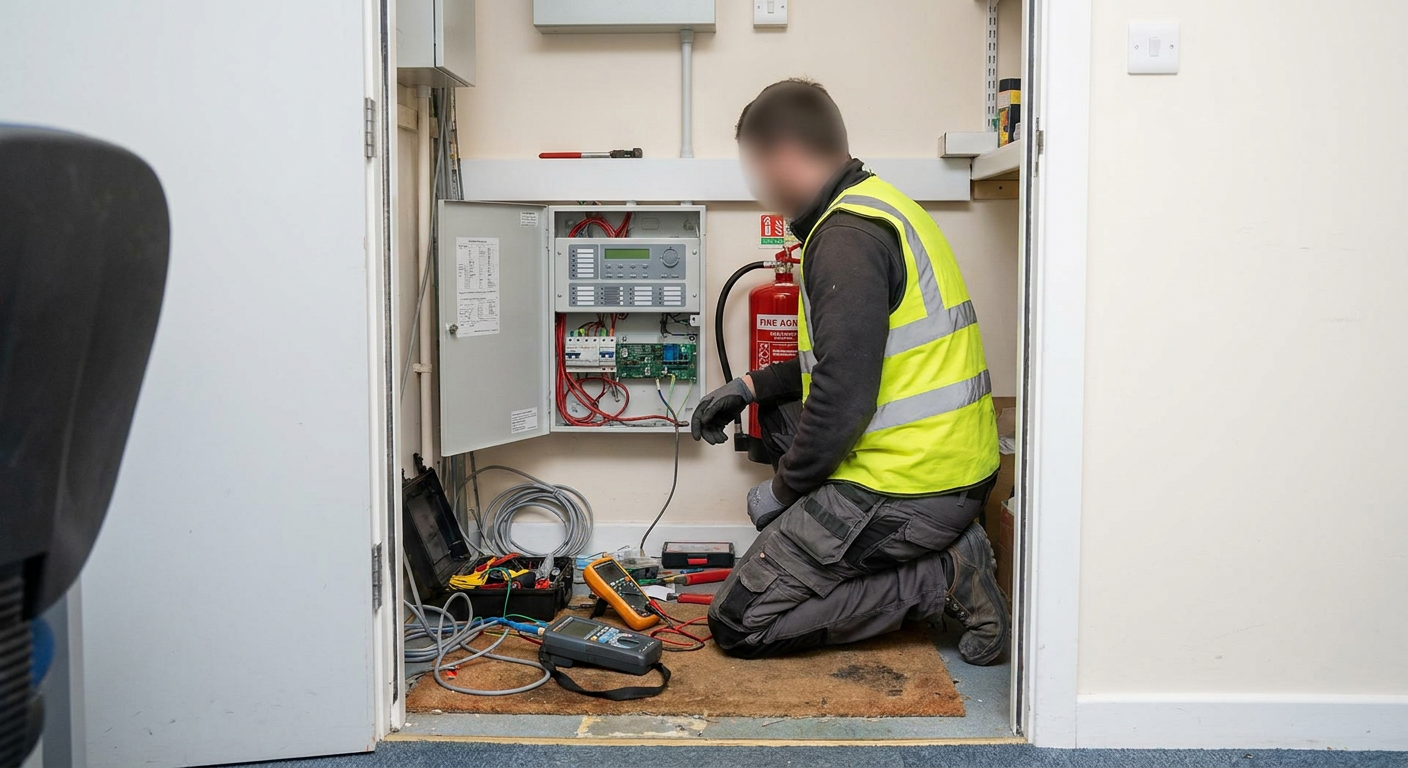
Technician kneels at an open fire alarm panel beside an extinguisher, tools on the floor.
  1. 1

    Identify your duties

    Determine which of the 2022 requirements apply to your building based on its height and number of flats.

  2. 2

    Book a specialist

    A specialist firm inspects communal fire doors, entrance doors and wayfinding signs across the block.

  3. 3

    Receive written records

    The specialist provides dated reports and a log you can show to residents or the fire authority.

  4. 4

    Distribute information

    Give every household the required fire safety instructions and keep proof that you did so.

What changes the cost of compliance checks

Every block differs in layout, age and condition, so the amount of work a specialist firm undertakes varies from building to building.

The specialist firm explains the exact cost for your building before any work begins.

Number of flats and doors
More entrance doors and communal fire doors mean more time spent inspecting and recording each one.
Access difficulties
Gaining entry to occupied flats for annual checks often requires multiple visits and follow-up letters.
Building height and layout
Larger blocks with several stairwells need more wayfinding signs and take longer to walk through.
Condition of existing doors
Doors that fail inspection require detailed defect notes so the responsible person can arrange repairs.

Ask about fire safety compliance in Bexley

Send details about your building and what you need help with. A specialist firm will respond with advice on the next steps. You are not committing to any work by asking.

  • No obligation to proceed
  • Local to Bexley
  • Clear answers first

These details are passed to a specialist, as the privacy page describes.

Sending this costs you nothing. The privacy notice goes into what happens to your details. They reach one independent fire safety specialist covering Bexley, and that specialist may pay us when the enquiry is passed on. Comparing quotations with other firms remains entirely up to you.

Prefer email? Write to hello@bexleyfire.co.uk