Fire safety services

Fire safety services in Bexley

Every fire safety service available through Bexleyfire is listed here. Find out what each one covers, who it is for, and how to ask about arranging the right work for your home or building.
All services

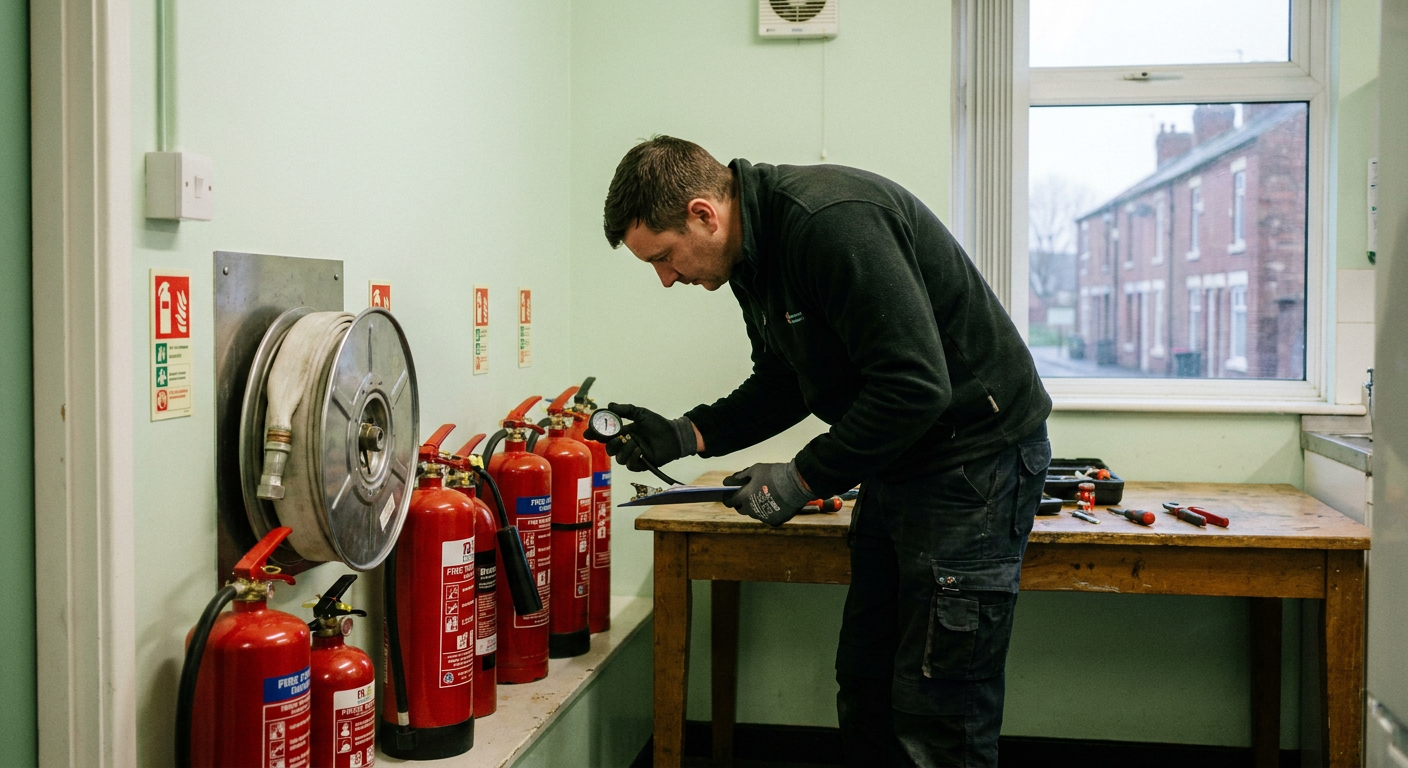
Technician inspects a row of fire extinguishers and a hose reel in a utility room.
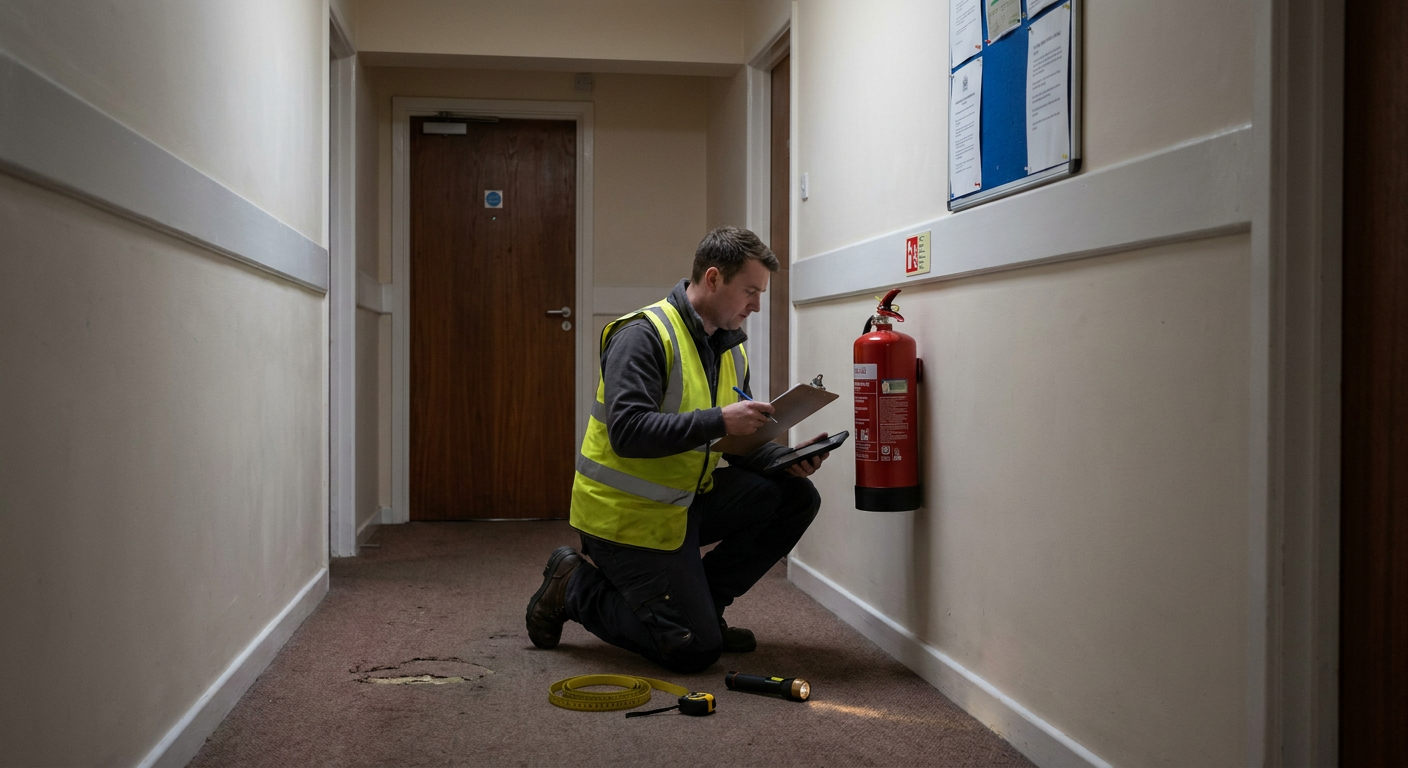
Fire safety officer kneels in a hallway checking a wall-mounted extinguisher.

Fire risk assessments for homes and buildings

A fire risk assessment is the starting point for managing fire safety in any shared building. The specialist firm walks through the premises, identifies hazards, records who might be at risk, and sets out what needs to change. For blocks of flats, there are different types of assessment depending on whether common parts or individual dwellings need checking.

Landlords running a house in multiple occupation face specific requirements before a licence is granted. Alarms, escape routes and door standards all come under scrutiny during an HMO fire risk assessment. Student halls and shared lets follow similar rules, with added attention to how residents are warned and evacuated.

Once the report is finished, it does not last forever. Review dates depend on changes to the building, its occupants or the law. If you are unsure when yours is due, the guidance on review periods explains what triggers a fresh look.

Fire doors and compartmentation surveys

Fire doors are meant to hold back smoke and flames long enough for people to leave. A specialist inspects them for gaps, damaged seals, missing closers and the wrong type of glazing. In flats and HMOs across Bexley, these checks happen regularly because worn doors fail quickly in a real fire.

Compartmentation goes further than the doors themselves. Walls, floors and ceilings form barriers that keep a blaze contained within one section of a building. When pipes or cables pass through those barriers, the holes must be sealed properly. A compartmentation survey finds where those seals have degraded or were never installed.

Quarterly fire door checks are now required in certain taller residential buildings. Recording what was found, and what was fixed, keeps the responsible person on the right side of the regulations.

Fire strategy reports and evacuation plans

A fire strategy report sets out how a building is designed to manage fire from the moment it starts. It covers construction materials, alarm systems, escape routes and how the structure limits spread. Specialist firms produce these for new builds, conversions and existing blocks where no record exists.

An evacuation plan translates that strategy into actions. It maps the escape routes, names who raises the alarm and details how residents who cannot use stairs will get out safely. Personal emergency evacuation plans are written for individuals who need extra help leaving a building.

Some blocks of flats operate a stay-put policy instead of simultaneous evacuation. That approach only works if the compartmentation holds. Understanding which policy applies to your building determines everything else about how you prepare.

Training for staff, wardens and nominated persons

People living or working in a shared building need to know what to do if they discover a fire. Fire safety awareness training covers alarm recognition, calling the emergency services and using escape routes without delay. Specialist trainers deliver sessions tailored to the building layout.

Fire warden training goes deeper. Wardens learn how to sweep their assigned area, assist vulnerable residents and report to the fire service on arrival. Their duties are defined clearly so nothing is left to guesswork during an incident.

The nominated person carries legal responsibility for fire safety in many residential settings. This role involves keeping records up to date, acting on assessment findings and ensuring maintenance happens on time. Guidance on nominated person duties explains exactly what the law expects.

Policy documents, health and safety, equipment

Written policies prove that fire safety is managed rather than assumed. A specialist firm drafts procedures covering daily precautions, maintenance schedules and emergency responses. These documents sit alongside the risk assessment as evidence of compliance.

Broader health and safety reports address risks beyond fire, such as trip hazards in corridors, poor lighting or blocked exits. Premises checks identify problems before they cause harm or attract enforcement action.

Fire extinguishers, alarms and emergency lighting all require periodic testing. While Bexleyfire takes enquiries about equipment condition, separate specialist firms advise on testing intervals and what to record in the fire safety log book. Keeping that log current matters if the council or fire service asks to see it.

Ask about fire safety services in Bexley

Send an enquiry about any service listed above. Your details go directly to the team handling requests, with no obligation to proceed or pay for anything at this stage.

  • No obligation to proceed
  • Direct to local specialists
  • Details kept private

These details are passed to a specialist, as the privacy page describes.

Sending this costs you nothing. The privacy notice goes into what happens to your details. They reach one independent fire safety specialist covering Bexley, and that specialist may pay us when the enquiry is passed on. Comparing quotations with other firms remains entirely up to you.

Prefer email? Write to hello@bexleyfire.co.uk

Services

  • Fire Risk Assessment

    A fire risk assessment in Bexley looks at ignition sources, escape routes, alarms and fire doors, then sets out the actions needed to put things right.

  • Fire Door Inspection

    Fire door inspection in Bexley checks gaps, seals, hinges, closers and glazing on flat entrance and communal doors, with findings recorded door by door.

  • Compartmentation

    A compartmentation survey in Bexley checks walls, floors and service penetrations meant to hold back fire and smoke, and shows where gaps need sealing.

  • Fire Strategy

    A fire strategy report in Bexley sets out how a building handles fire, covering escape routes, compartmentation, alarms and who is responsible.

  • Evacuation Plans

    A fire evacuation plan in Bexley sets out escape routes, assembly points and who does what in a fire, including help for people who need it.

  • Awareness Training

    Fire safety awareness training in Bexley helps staff spot risks, raise the alarm and leave safely. Find out what sessions cover and who should attend.

  • Warden Training

    Fire warden training in Bexley covers sweeping a building, roll call at the assembly point and supporting an evacuation. See what the role involves.

  • Nominated person

    A nominated person for fire safety gives Bexley landlords and managers a named point of contact for checks, records and day to day fire safety duties.

  • Policy documents

    Fire safety policy documents set out who does what, how often checks happen and what staff are told, backed by procedures for Bexley buildings.

  • Health and Safety

    A health and safety report for a Bexley property records hazards, who is at risk and the actions needed. See what it covers and who needs one.

  • Equipment Testing

    Fire extinguisher testing advice covers service intervals, alarm checks and emergency lighting records, so you know what should be tested and how often.