Compliance guide

Who the responsible person is under fire safety law

Find out who holds the legal duty under the Fire Safety Order. Read how responsibility falls between freeholders, leaseholders, managing agents and employers so you know whether a letter from the council is yours to answer.

Arrange an assessment

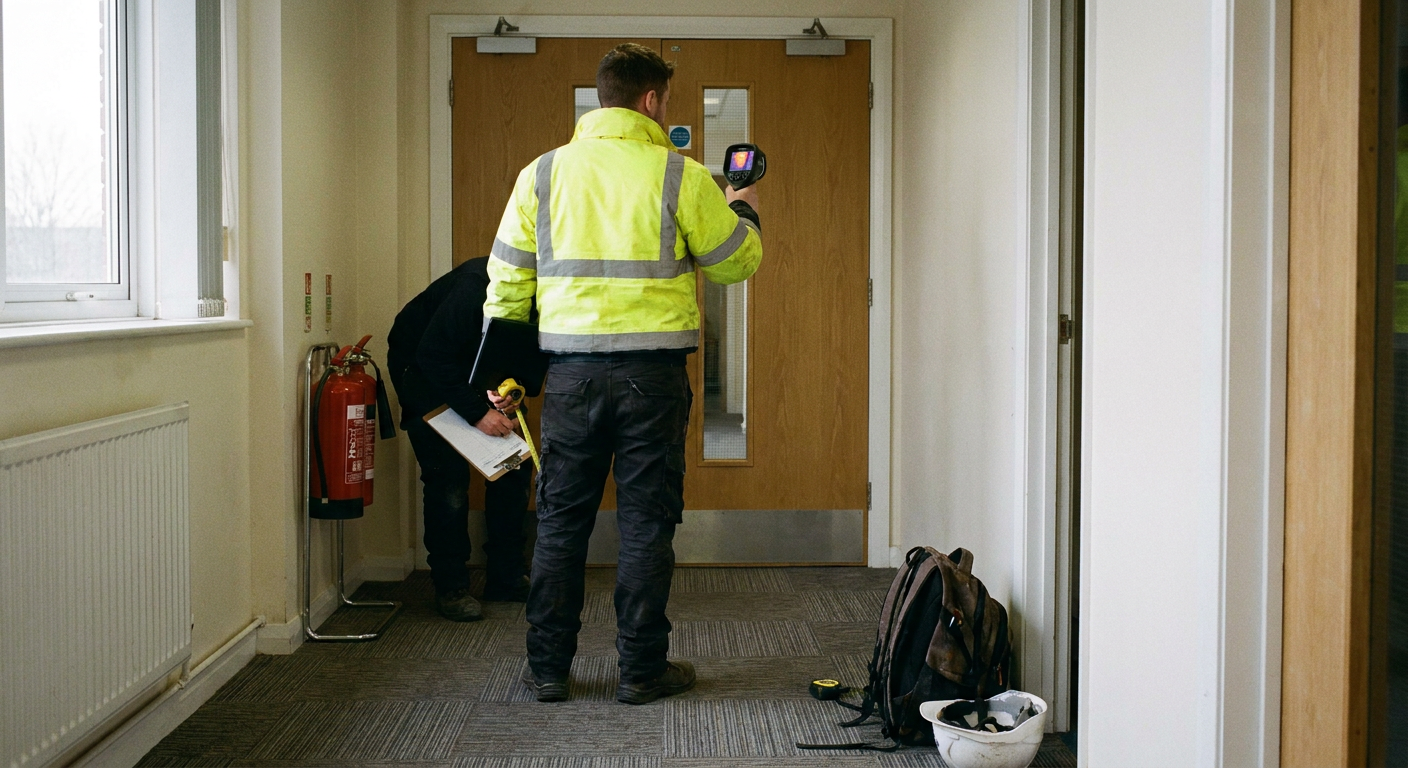
Worker using a thermal imaging device near a fire door in a corridor.
Fire extinguisher and hose reel signage on a blue wall.

Who the responsible person fire safety law names

The Regulatory Reform (Fire Safety) Order 2005 places a legal duty on a specific individual or organisation. This is the responsible person fire safety law refers to. In a workplace, it is the employer. In the common parts of a block of flats, it is whoever controls those areas, usually the freeholder or a management company.

If you are trying to work out who is legally responsible for fire safety in your building, start with control. The person or body that controls the shared hallways, staircases and external walls carries the duty. For homeowners in Bexley wondering about their own house, the rules apply differently. A private home occupied by a single family sits outside the Order, but the moment you rent out a room or convert the building, duties begin.

A specialist firm can carry out a <a href="/fire-risk-assessment">fire risk assessment</a> to establish what the duty requires for your specific building.

Freeholder or leaseholder: where the duty falls

A common question arrives when a leaseholder receives a letter from the local authority. If you own a flat but not the building structure, the freeholder or management company usually acts as the duty holder for communal areas in flats. The leaseholder remains responsible for the inside of their own flat if it is used as a workplace, such as a home office with employees.

Confusion often arises around flat entrance doors. These doors sit between the private flat and the shared hallway. Because they protect the escape route, the duty to maintain them frequently falls on the freeholder, though leases vary. Read more about <a href="/news/flat-entrance-doors-leaseholder-or-freeholder-duty">flat entrance door responsibilities</a> to see how leases affect this.

If you have received a notice and are unsure whether the freeholder or leaseholder fire duty applies to you, the wording of your lease and the nature of the complaint matter. A fire risk assessor reviews both to clarify where the obligation sits.

Managing agents and appointed competent persons

Many blocks in Bexley use a managing agent to handle day-to-day maintenance. This leads to questions about managing agent fire safety duties. Appointing an agent to run the building does not transfer the legal duty away from the freeholder or management company. The responsible person remains liable. The agent acts on their behalf.

Similarly, hiring a competent person to advise on fire safety does not shift the legal burden. The duty holder must appoint someone with enough training and experience to help them comply, but the ultimate accountability stays with the responsible person. If you need support, a <a href="/nominated-person-service">nominated person service</a> can take on the practical tasks while you retain oversight.

When nobody accepts the duty and the fire authority follows up, enforcement action targets the person or entity with control. If multiple parties share control and fail to cooperate, the authority can issue notices to all of them. Ignoring a letter does not make the duty disappear.

Shared buildings: shops below, flats above

Mixed-use buildings complicate matters. If you rent a shop and the landlord owns the flats above, the question of who handles the common parts depends on the lease. Typically, the landlord retains control of the roof, foundations, staircases and shared corridors, making them the responsible person for those areas. You, as the commercial tenant, hold the duty for the shop itself.

The fire safety order explained simply means each party looks after the space they control, but they must also cooperate. The shop owner cannot ignore a blocked staircase just because it serves the flats. Cooperation between duty holders is a legal requirement.

Responsibility can be shared between an employer and a building owner. Each addresses the risks within their domain and coordinates on shared escape routes. A <a href="/fire-strategy">fire strategy report</a> maps these boundaries so everyone knows what they must manage.

Converted houses, HMOs and sole traders

In a converted house split into three separate flats, the person who controls the shared hallway and stairs is the responsible person. This is usually the landlord. If the building is a licensed house in multiple occupation, the licence holder carries specific obligations, including maintaining alarms and fire doors. Landlords should review <a href="/hmo-fire-risk-assessment">HMO fire risk assessment</a> requirements to stay compliant.

For a sole trader with a small unit in Bexley, the duties are straightforward. You are the employer and the responsible person. You must assess the risks in your unit, keep escape routes clear, ensure staff know what to do in a fire, and maintain any equipment. This might mean arranging <a href="/fire-safety-awareness-training">fire safety awareness training</a> even if you only have one or two people working with you.

The scale of the work matches the size of the premises. A small retail unit needs less documentation than a large warehouse, but the legal duty to assess and manage risk applies to both.

What shapes the cost of meeting your fire safety duty

Every building differs in layout, use and condition, so the work required to meet the duty varies. The scope determines the cost.
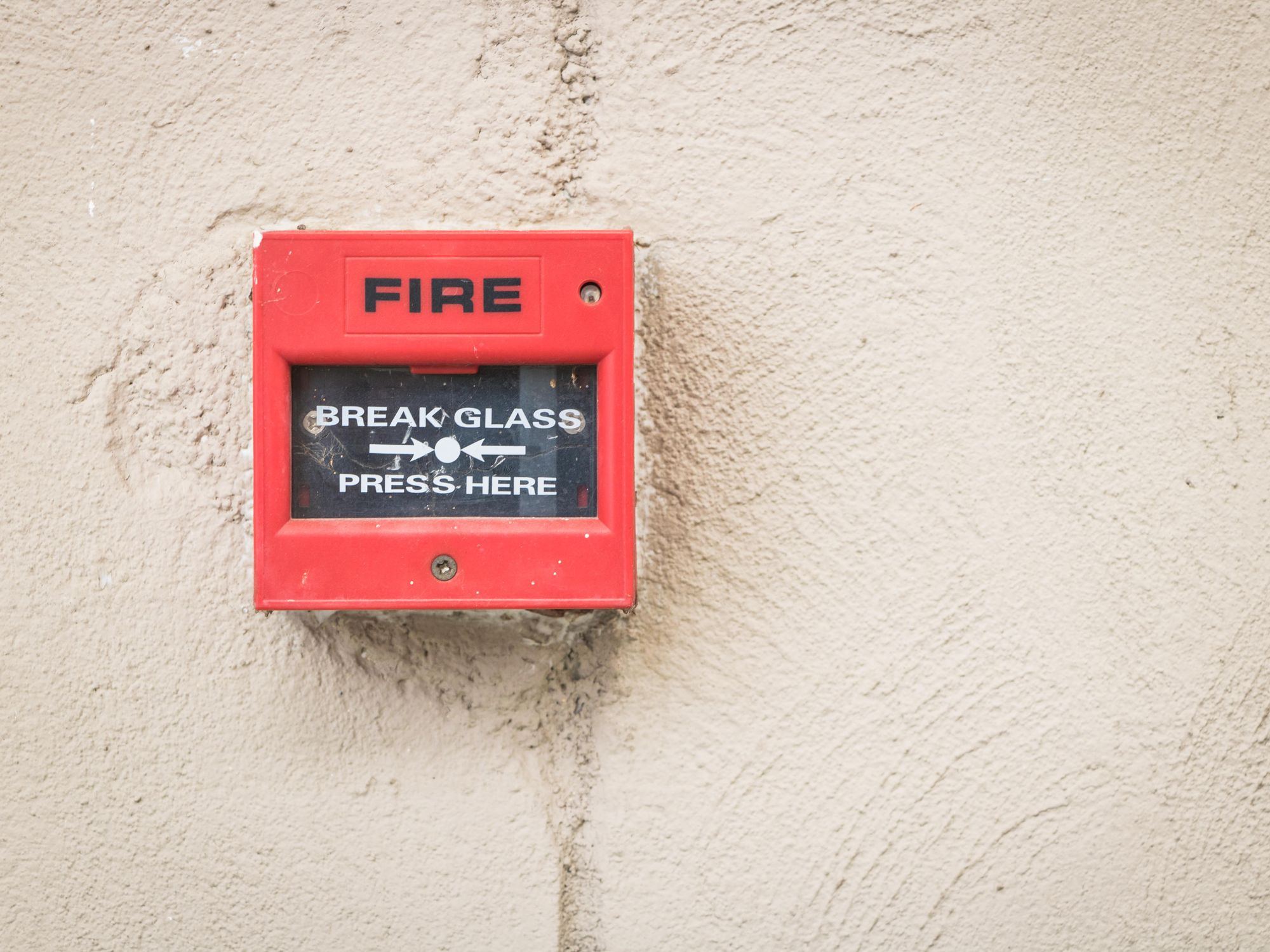
Close-up of a red break-glass fire alarm on a textured wall.
Size and layout
More floors, compartments and escape routes require longer inspections and more detailed plans.
Building use
A block of sleeping residents demands different measures from a daytime retail unit.
Existing records
Missing log books or outdated plans mean the specialist starts from scratch rather than updating.
Number of occupants
More people using the space increases the complexity of evacuation planning and training.

The specialist explains the full cost before any work begins.

Typical costs for fire safety work in Bexley

Buildings differ in age, layout and use. A larger block with complex shared areas takes longer to assess than a single shop, which widens the typical ranges shown here.

  • Small unit fire risk assessment

    £150 to £300

    The floor area of the premises and how many staff or residents are present during normal use determine the scope.

  • Flat entrance door inspection set

    £200 to £450

    The total number of fire doors in the building and whether they sit in communal corridors or individual flats sets the workload.

  • Block of flats assessment

    £350 to £800

    The number of storeys, the length of shared corridors and the presence of plant rooms all affect how much work is involved.

  • Evacuation plan drafting

    £250 to £600

    The number of escape routes, the distance to assembly points and any mobility needs among residents shape the plan required.

  • Staff fire awareness session

    £300 to £700

    The size of the group attending and the specific venue location within Bexley determine how long the session takes.

These figures indicate what work of this type typically costs. Nothing here is a quotation. Only a physical inspection settles a figure for one property.

Find out what your duty involves

Send details about your building. A specialist will read them and reply with what the law requires you to do next. Sending an enquiry does not commit you to any work or payment.

  • No obligation to proceed
  • Local specialists only
  • Clear written replies

These details are passed to a specialist, as the privacy page describes.

Sending this costs you nothing. The privacy notice goes into what happens to your details. They reach one independent fire safety specialist covering Bexley, and that specialist may pay us when the enquiry is passed on. Comparing quotations with other firms remains entirely up to you.

Prefer email? Write to hello@bexleyfire.co.uk