Fire safety guide

Bin stores and rubbish as a fire risk in Bexley flats

Rubbish left in corridors or packed into bin stores can block escape routes and feed a fire. Find out why waste storage matters in blocks of flats across Bexley, and what the person responsible for the building should do about it.
Read more guides

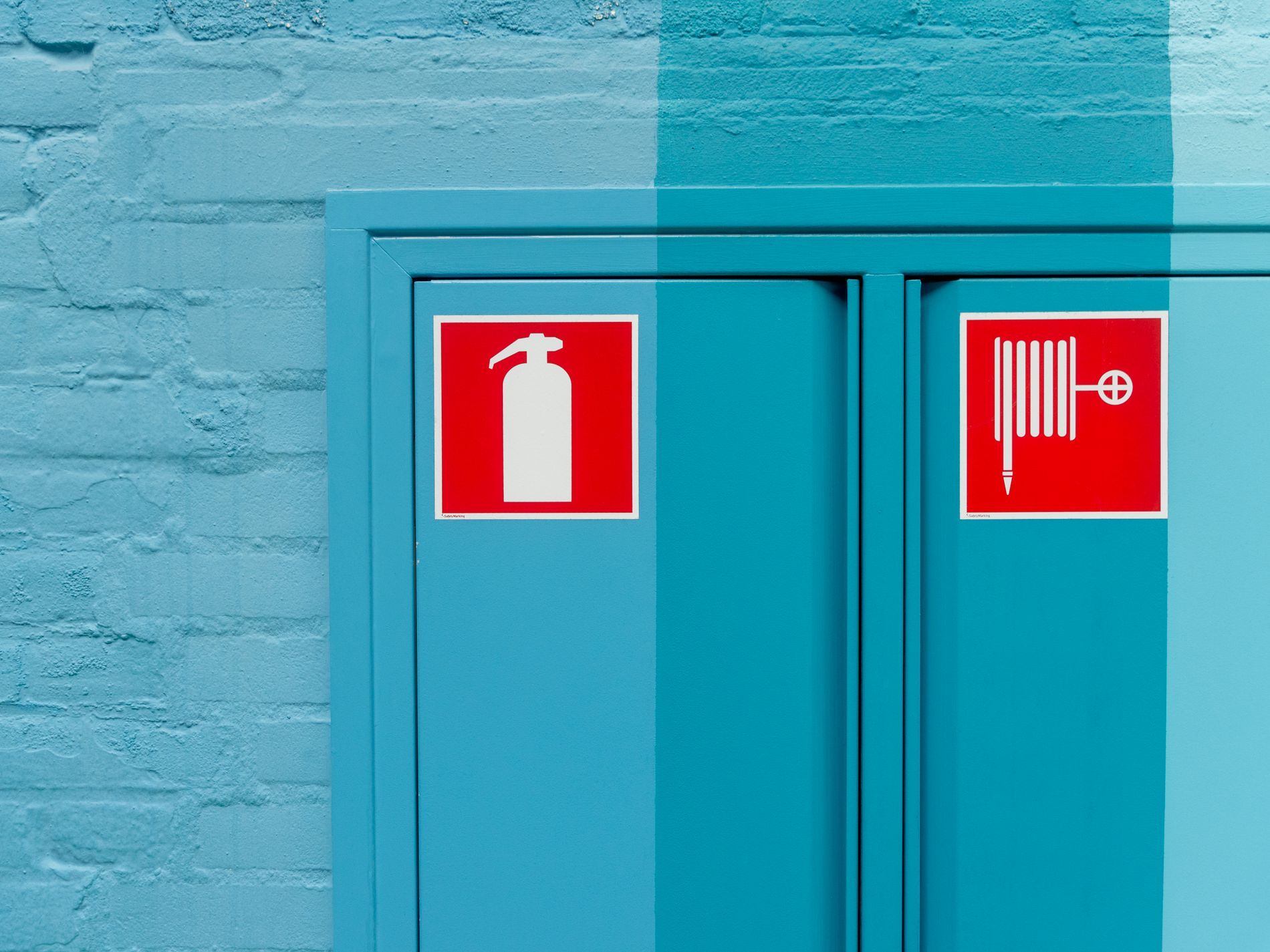
Fire extinguisher and hose reel signage on a blue wall.
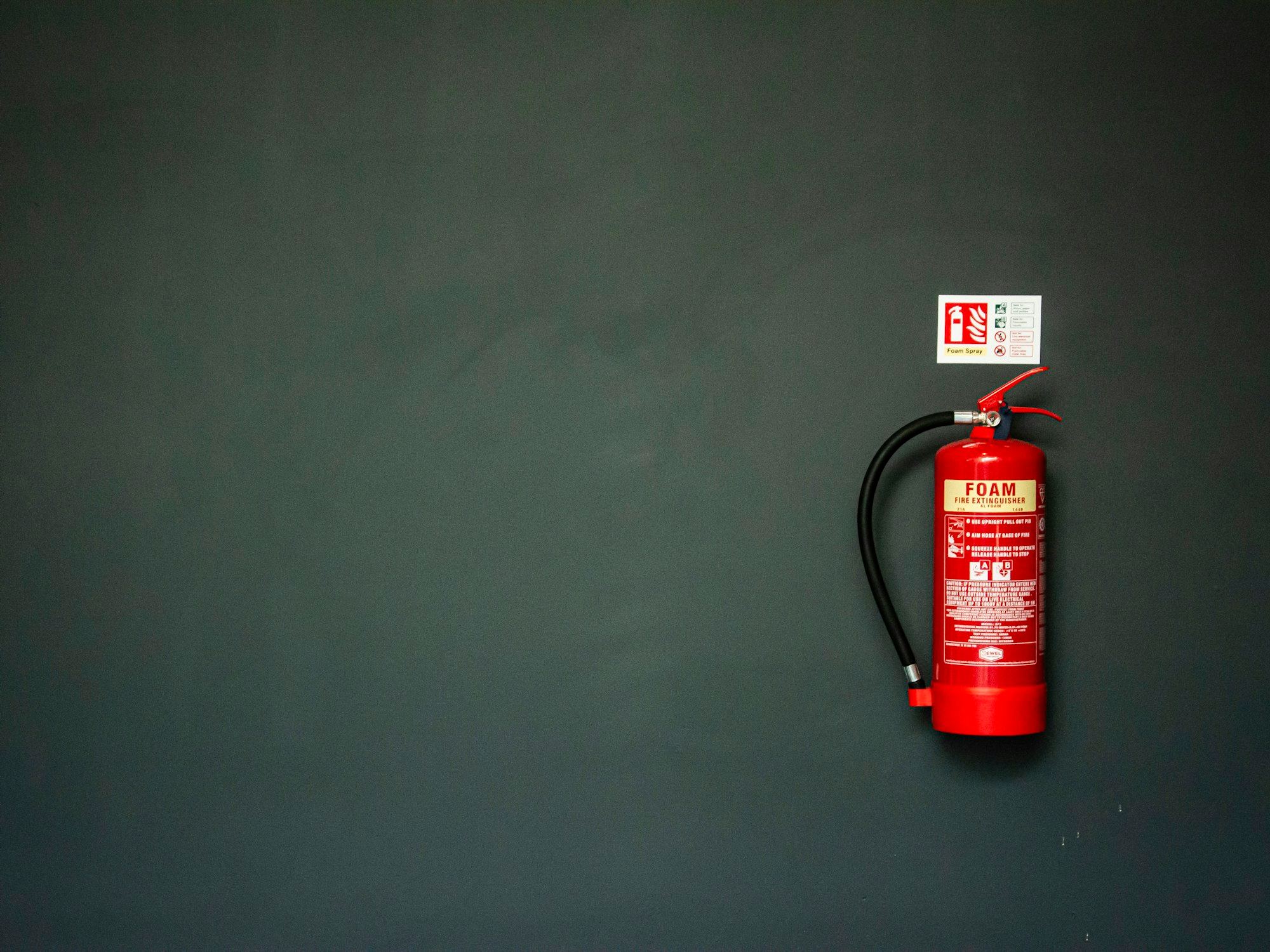
A red fire extinguisher mounted on a dark grey wall with instruction sign.

Why corridors must stay clear of waste

A corridor in a block of flats is an escape route first. When residents leave bags of rubbish, old furniture or cardboard boxes along it, they narrow the path out. In smoke and darkness, even a small obstruction becomes a serious hazard.

Waste also burns fast. Paper, plastic packaging and textiles give off thick, toxic smoke within seconds of catching fire. If that fire starts in a hallway because someone dropped a cigarette near a pile of post, every flat on that floor is at immediate risk.

The Fire Safety (England) Regulations 2022 place duties on the responsible person to manage common parts. That includes keeping shared hallways free of combustible material. A specialist firm carrying out a fire risk assessment in Bexley will note any stored items as a finding, and the report will set out what needs to change before the next review date.

Bin stores and the danger of arson

External bin stores are often treated as an afterthought. But they sit close to the building, sometimes directly under windows or beside ventilation grilles. If a store is unlocked, or its lid is broken, anyone can drop a match inside.

Arson in communal bins is one of the most common causes of fires in residential blocks. Once alight, a full wheelie bin produces intense heat. If the store is attached to the building, that heat can compromise external walls or spread through open vents.

A compartmentation survey checks whether the walls and floors separating a bin store from the living spaces above will hold back fire and smoke for long enough. Where the barriers have gaps around pipes or cables, a specialist contractor can seal them. The responsible person should record these checks in the fire safety log book so there is proof the work was done.

What the responsible person must do

Managing waste in a block of flats falls to the responsible person. That might be the freeholder, a managing agent, or a nominated person appointed to handle fire safety duties. Whoever holds the role has to make sure rubbish does not accumulate where it can start or spread a fire.

Practical steps include fitting locks to bin store doors, arranging frequent collections so containers do not overflow, and putting up clear signs telling residents not to leave items in hallways. Signs alone rarely solve the problem, so regular walks of the common parts are needed too.

If the building has a fire strategy report, it should already state how waste is managed. Where no strategy exists, commissioning one gives the responsible person a written plan to follow. Specialist firms write these documents based on the layout and use of each specific building.

When waste becomes a recurring problem

Some blocks see the same issues return week after week. Bags appear in stairwells on collection day; bulky items get abandoned near the lifts. Repeated problems suggest the current arrangements are not working, and the fire risk assessment should be reviewed sooner than planned.

A revised assessment looks at whether the bin area is large enough, whether residents understand the rules, and whether enforcement action is needed. It may recommend changes to the evacuation plan if blocked corridors could trap people during a fire.

Training helps too. A specialist firm delivering fire warden training or general fire safety awareness training can explain to staff and wardens exactly what to look for on their rounds. They learn to spot overloaded bin stores, propped-open fire doors near waste areas, and damaged emergency lighting hidden behind stacked boxes. Those observations keep the building safer between formal inspections.

Ask about fire risk management in Bexley

Send your details and a brief description of the building. A specialist firm will respond with what they can do. There is no obligation to proceed.

  • No commitment required
  • Local specialists only
  • Clear next steps
What has prompted you to get in touch?
How soon do you need this done?

These details are passed to a specialist, as the privacy page describes.

Sending this costs you nothing. The privacy notice goes into what happens to your details. They reach one independent fire safety specialist covering Bexley, and that specialist may pay us when the enquiry is passed on. Comparing quotations with other firms remains entirely up to you.

Prefer email? Write to hello@bexleyfire.co.uk