Fire safety guide

Electric bike and mobility scooter charging in flats

Electric bikes and mobility scooters are common in blocks of flats, but their batteries carry a serious fire risk. Find out where charging belongs, why corridors must stay clear, and what the responsible person should do to keep escape routes safe.

Read more guides

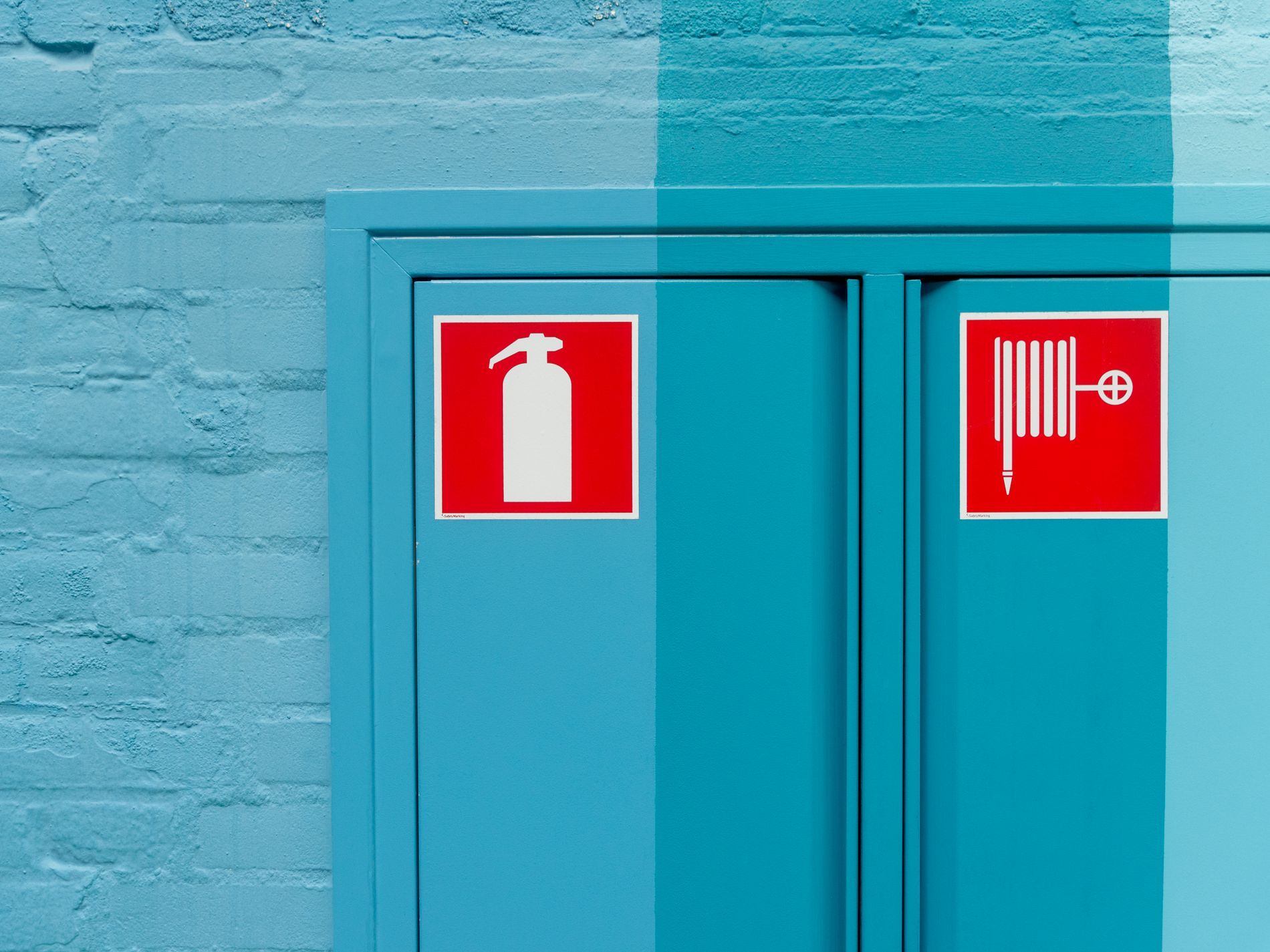
Fire extinguisher and hose reel signage on a blue wall.
People crossing a pedestrian lane during daytime.

Why lithium batteries change the fire risk in your building

Lithium-ion batteries power most electric bikes and mobility scooters. When they fail, they do not smoulder or give off a small amount of smoke. They vent hot gas, catch fire instantly, and burn at temperatures that defeat standard extinguishers. A single battery can fill a corridor with toxic smoke in seconds.

Blocks of flats were designed before these batteries became common. The fire compartments, the ventilation, and the escape routes all assume a slower fire spread. A lithium battery fire breaks those assumptions. That is why fire risk assessments now look specifically at where residents store and charge these devices.

If you have noticed a neighbour plugging in a bike overnight near the stairwell, the worry you feel is justified. The specialist firm carrying out the assessment will record this as a hazard and recommend changes. Those changes protect everyone who uses the same hallway to get out.

Corridors and stairwells are not storage spaces

A communal hallway exists so people can leave the building during a fire. Anything placed in it narrows the route, adds fuel, or both. An electric bike leaning against a wall combines all three problems: it blocks the way, its frame burns, and its battery can explode.

Mobility scooters present the same danger. Because they are heavy and difficult to move, residents often leave them just outside their front door. But a flat entrance door is part of the fire compartmentation that keeps smoke out of the shared space. Parking a scooter against it damages the seals and defeats the protection the door provides.

The Fire Safety (England) Regulations 2022 place duties on the responsible person to manage communal areas. Leaving escape routes obstructed by batteries or vehicles breaches those duties. A compartmentation survey will identify doors and walls compromised by items stored against them.

Where charging should actually happen

Charging needs a space separated from the escape route, ideally with its own detection and suppression. Some blocks have external stores or dedicated rooms built for this purpose. If yours does not, the responsible person must find another solution rather than allowing charging in hallways.

Inside a flat, charging is safer than in a corridor because the flat is its own fire compartment. But the resident still needs to follow basic rules: use only the manufacturer charger, never leave a battery charging unattended overnight, and keep it away from soft furnishings. A damaged battery should never be plugged in.

When a specialist firm writes a fire strategy report for a building, it sets out exactly which areas may hold charging equipment and which must remain empty. That document gives the managing agent or freeholder a clear plan to enforce.

What the responsible person needs to do next

If you are the nominated person for fire safety in your block, start by checking the current fire risk assessment. It should mention portable electrical equipment and lithium batteries. If it does not, or if the review date has passed, arrange an updated one.

Walk the communal areas yourself. Look for bikes, scooters, or trailing cables. Note which doors show scuff marks from items pushed against them. Record everything in the fire safety log book so the assessor sees the pattern when they visit.

Residents need to know why the rules exist. A short notice pinned to the board is rarely enough. Fire safety awareness training for staff or wardens helps them explain the risk without sounding unreasonable. People comply faster when they understand that a battery fire in the stairwell traps everyone above it.

Ask about fire safety in your block of flats

Send an enquiry about your building. A specialist firm will read the details and respond with advice on the right assessment or inspection. You are not committing to any work by getting in touch.

  • No obligation
  • Local to Bexley
  • Clear next steps
What has prompted you to get in touch?
How soon do you need this done?

These details are passed to a specialist, as the privacy page describes.

Sending this costs you nothing. The privacy notice goes into what happens to your details. They reach one independent fire safety specialist covering Bexley, and that specialist may pay us when the enquiry is passed on. Comparing quotations with other firms remains entirely up to you.

Prefer email? Write to hello@bexleyfire.co.uk